
Índice
- O que é o Islã? Qual é o propósito da religião islâmica?
- Ensinamentos dos profetas sobre questões sociais e de reprodução
- 1. O que eles ensinavam sobre a fé?
- 2. Como os profetas moldaram as sociedades para garantir sua sobrevivência e reprodução
- Os cinco pilares, os livros e os setores do Islã, e por que o Islã enfrentou resistência de outras religiões?
- Lembrete do Alcorão para todos

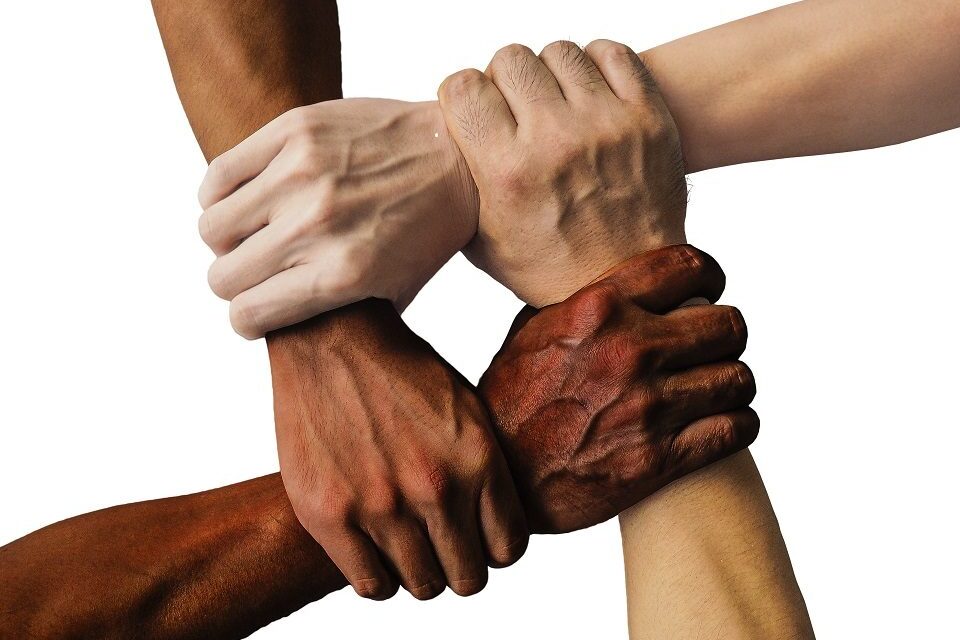
2. Como os profetas moldaram as sociedades por meio das orientações do Criador para uma melhor sobrevivência e reprodução humana?
Por que a concepção humana é o ponto mais importante para compreender o Islã?
O projeto da criação do ser humano é um ponto fundamental para a compreensão do Islã e do propósito da vida (que é um teste/prova para o julgamento); o Alcorão explica os dois aspectos únicos da criação humana (um corpo frágil e o dom da fala) e sua reprodução por meio de um par. É compreensível como seus corpos frágeis geram dependência de outras pessoas e de ferramentas (como o uso de roupas, a construção de civilizações e o comércio) e como sua capacidade de falar os ajuda a aprender e a compartilhar para uma melhor sobrevivência. À medida que se espalharam pela Terra, eles se dividiram em tribos e nações, aprenderam várias línguas e enfrentaram desafios sociais, além de conflitos e divisões religiosas.
Para tratar dessas questões, o Criador enviou orientação (revelação) por meio de anjos a pessoas escolhidas (profetas) em muitas nações, a fim de lhes mostrar o caminho certo. Essas mensagens e leis foram compiladas em livros sagrados de diferentes religiões, como o cristianismo e o judaísmo. Por fim, tudo isso culminou no último livro sagrado — o Alcorão — como a orientação completa para toda a humanidade.
- | “Ó humanidade! Nós, de fato, vos criamos a partir de um homem e uma mulher e vos fizemos povos e tribos para que pudésseis conhecer-vos uns aos outros…” Al-Hujurat (49:13)
- | “E entre Seus sinais estão a criação dos céus e da terra e a diversidade de suas línguas e de suas cores…” Ar-Rum (30:22)
- | “A humanidade era uma única religião [comunidade]. E Allah enviou os profetas como portadores de boas novas e admoestadores, e revelou com eles o Livro, com a verdade, para julgar entre as pessoas sobre aquilo em que divergiam…” Al-Baqarah (2:213)
- | “Na verdade, a religião aos olhos de Allah é o Islã. E aqueles a quem foi concedido o Livro só entraram em desacordo depois que o conhecimento lhes chegou — por inveja e animosidade entre si……” Al-‘Imran (3:19)
O Islã ensina aos seres humanos a valorizar a diversidade em vez das divisões. Como os muitos galhos de uma árvore
2.1. Ensino Fundamental:
De acordo com o Alcorão, todos os profetas (de Adão a Maomé, que a paz e as bênçãos de Deus estejam com ele) se concentraram principalmente no Tawhid (fé em um único Criador e no Dia do Juízo Final) para promover a unidade entre os seres humanos e a responsabilidade individual. O objetivo era evitar divisões, conflitos e orientações equivocadas baseadas em crenças distorcidas. Além disso, eles instruíram as pessoas sobre como preservar o ciclo reprodutivo humano e a ética social com base na Orientação Divina, com verdade e justiça.
Fé:
Em vez de se envolverem em debates para provar a existência do Criador, eles ensinavam que a presença do Criador permanece invisível durante essa provação, o que significa que a vida social não é controlada diretamente pela força ou pelo medo. A crença no único Criador é alcançada por meio da observação de Seus sinais na natureza.
Além disso, o Criador já implantou a verdadeira fé no coração dos seres humanos, bem como o senso do bem e do mal para que possam julgar a si mesmos.
- | “Diga: ‘Ele é Allah, o Único. Allah, o Refúgio Eterno. Ele não gera nem é gerado, e não há ninguém semelhante a Ele.’” Al-Ikhlas (112)
- | “E segurem-se firmemente, todos juntos, à corda de Allah e não se dividam…” Al-Imran (3:103)
- | “Ó vós que credes! Evitai fazer muitas suposições. Na verdade, algumas suposições são pecado….” Al-Hujurat (49:12)
- | “E não busquem aquilo sobre o qual não têm conhecimento….” Al-Isra (17:36)
- | “E te perguntam a respeito do Espírito (ar-Rūḥ). Diz: ”O Espírito é da esfera do meu Senhor. E à humanidade não foi concedido, do conhecimento, senão um pouco.’” Al-Isra 17:85
- | “E se todas as árvores da Terra fossem canetas e o mar fosse tinta, com mais sete mares acrescentados a ele, as palavras de Allah não se esgotariam. Na verdade, Allah é Todo-Poderoso, Todo-Sábio.” Al-Luqman (31:27)
- | “Na verdade, nos céus e na terra há sinais para os crentes. E na vossa própria criação, bem como em todos os seres vivos que Ele espalhou, há sinais para as pessoas de fé inabalável.” Al-Jathiya (45:3–4)
Eles conscientizaram as pessoas sobre a verdade, convidando-as a observar os sinais da natureza para encontrar a orientação correta. Ao fazer isso, alguns profetas emigraram com seus seguidores para salvar sua fé e suas vidas, estabelecendo sistemas sociais justos e protegendo os inocentes contra a injustiça.
Após o Profeta Maomé, que a paz e as bênçãos de Deus estejam com ele, seus seguidores passaram a considerar o Alcorão Sagrado como a principal fonte de orientação no Islã para a resolução dos desafios sociais
Vamos ver como os profetas seguem as instruções do Criador, tanto individualmente quanto socialmente:
O Profeta Maomé ﷺ: “Quem me garantir o que está entre suas mandíbulas (uso gentil e verdadeiro da língua) e o que está entre suas pernas (uso lícito das partes íntimas), eu lhe garanto o Paraíso.” Sahih al-Bukhari, Livro de Riqaq, Hadith 6474
2.2. Dois fatores que influenciam os ciclos reprodutivos dos seres humanos:
Por que a relação sexual ilícita (zina) é proibida (haram)?
Como os recém-nascidos humanos necessitam de cuidados de longo prazo, os Profetas enfatizaram a importância da família para a proteção e o desenvolvimento das novas gerações. Para reduzir o risco de as crianças ficarem sem apoio, eles orientaram as pessoas a:
1. Fator Familiar
- Relações sexuais legítimas (casamento) e separações legítimas (divórcio) de maneira simples e fácil, a fim de garantir um sistema de reprodução estável e a proteção dos direitos da família para a segurança e a continuidade geracional.
- A família é um ambiente acolhedor que promove o desenvolvimento físico, emocional e mental das crianças.
- Orientações para as interações entre os gêneros nos sistemas familiares. Definição clara de papéis e responsabilidades dentro da família, incluindo funções e deveres de natureza biológica.
| “Não se envolvam em relações sexuais ilícitas.” — Al-Isrāʾ (17:32))
| “Os homens são os protetores e os sustentadores das mulheres, pois Allah concedeu a uns mais força do que aos outros e porque eles as sustentam com seus bens.” Sura An-Nisā’ (4:34)
| “Diga aos homens crentes que baixem o olhar e guardem suas partes íntimas. Isso é mais puro para eles. Na verdade, Allah é Onisciente do que eles fazem. E diga às mulheres crentes que baixem o olhar e guardem suas partes íntimas, e que não exibam seus adornos, exceto o que normalmente fica à mostra, e que puxem seus véus sobre o peito, e que não exibam seus adornos, a não ser para seus maridos, seus pais, os pais de seus maridos, seus filhos, os filhos de seus maridos, seus irmãos, os filhos de seus irmãos, os filhos de suas irmãs, suas mulheres, aquelas que suas mãos direitas possuem, ou aqueles servos que não tenham desejo físico, ou crianças que ainda não tenham consciência dos aspectos íntimos das mulheres. E que não batam os pés para dar a conhecer o que ocultam de seus adornos. E voltem-se para Allah em arrependimento, todos vocês, ó crentes, para que possam ter sucesso.’ An-Nur (24:30-31)
2. Fator social
Para manter a ordem social e proteger a dignidade individual e o bem-estar mental, os Profetas regulamentaram o comportamento público por meio de:
- Ajustar as normas de vestuário por meio da limitação de exibição das formas do corpo e roupas que revelam a pele para reduzir a atração sexual indesejada, incentivando roupas recatadas (parda) para as mulheres, a fim de proteger a identidade e promover a privacidade em locais públicos.
- Promover uma interação respeitosa entre os gêneros para garantir uma sociedade equilibrada e segura, por meio da oferta de um definição clara de funções e responsabilidades, incluindo funções e deveres de origem biológica.
- Restrição dos atos homossexuais para garantir a segurança dos ciclos reprodutivos. Como sabemos... Qaum-e-Loot (O Povo de Lote) foram punidos por esse ato.
- Desencorajar discursos e comportamentos inadequados ou indecentes em espaços públicos, que possam induzir outras pessoas a cometer atos ilícitos.
| “Não se envolvam em relações sexuais ilícitas.” — Al-Isrāʾ (17:32))
| “Ó filhos de Adão! Enviamos a vocês roupas para cobrir suas partes íntimas e como adorno. Mas a roupa da retidão — essa é a melhor. Isso faz parte dos sinais de Allah, para que se lembrem.” Al-A‘raf (7:26)
Um exemplo de como as divisões de tarefas entre os sexos funcionam naturalmente:
A biologia molda os papéis humanos: se um menino e uma menina de cinco anos estiverem perto de uma pedra de 3 kg, a sociedade instintivamente espera que o menino a levante, com base nas diferenças físicas. Essa divisão na infância se transforma em experiências distintas na vida adulta; por exemplo, um homem que trabalha em um campo de trigo adquire habilidades práticas de resolução de problemas, o que o ajuda muito na liderança no campo, enquanto as mulheres são poupadas dessas tarefas e realizam as atividades de acordo com sua biologia.É por isso que impor tarefas idênticas ignora essas diferenças naturais, levando a um desequilíbrio social de longo prazo, pois os desejos humanos não podem se sobrepor à realidade biológica.
É por isso que os homens são responsáveis por certos deveres de acordo com suas características biológicas, e as mulheres também, de acordo com a sua biologia.
2.3. Por que a liberdade é uma responsabilidade do indivíduo:
| “Vocês são a melhor nação criada para a humanidade: vocês ordenam o que é certo, proíbem o que é errado e acreditam em Alá.” – Āl-‘Imrān 3:110
No Islã, cada ser humano é um exemplo para os outros; suas ações boas e ruins afetam e influenciam também as ações dos demais.
A vida na Terra é um teste planejado (uma provação antes da vida eterna) para todos, a fim de registrar suas escolhas boas e ruins e seus esforços. Assim como como todos aprendem com a verdade, a colocam em prática e a compartilham com os outros, Sejam eles muçulmanos ou não muçulmanos.
Assim, todos — quer tenham feito o bem ou o mal aos outros — poderão ser julgados na vida após a morte, para receberem punição ou recompensa. Vidas idênticas, com memórias, são o sinal claro do Dia do Juízo Final.
Por exemplo: Se uma pessoa vive com uma crença errada e segue sua orientação equivocada, mesmo que não esteja verdadeiramente satisfeita por dentro, ela pode continuar a praticá-la e a ensiná-la aos outros. Ao fazer isso, ela cria uma cadeia de crenças equivocadas entre familiares e amigos.
Se eles nunca se corrigirem antes da morte, essa cadeia poderá continuar mesmo após a partida deles, e eles continuarão sendo a causa dessas ações erradas.
É por isso que, no Islã, associar outros ao Único Criador (shirk) é o maior pecado, pois isso cria divisões, espalha orientações errôneas, causa confusão e pode desviar outras pessoas também.
| “De fato, Alá não perdoa quem Lhe atribui parceiros (se esquivar), mas Ele perdoa o que for menor do que isso àqueles a quem Ele quiser…” – An-Nisa (4:48)
| “Ó vós que credes! Temei a Allah como Ele deve ser temido e não morrais a não ser como muçulmanos.” – Al-Imran (3:102)
| “A retidão não consiste em voltarem seus rostos para o leste ou para o oeste, mas a verdadeira retidão está naquele que crê em Allah, no Dia do Juízo Final, nos anjos, no Livro e nos profetas; que doa sua riqueza — ‘apesar de amá-la’ — aos parentes, aos órfãos, aos necessitados, ao viajante, aos que pedem e para libertar escravos; que cumpre a oração e paga o zakāh (esmola); que cumpre as promessas que faz; e que é paciente nas adversidades, no sofrimento e durante a batalha. Esses são os sinceros, e são eles os justos.” — Al-Baqarah 2:177
2.4. Ética social e leis:
Sobre a ética da comunicação: como sabemos, todos os seres humanos nascem com a mente em branco; eles vivem e morrem enquanto aprendem. Portanto, cometer erros faz parte do aprendizado; é por isso que dizer a verdade com gentileza é a maneira mais pura de orientar a todos. A gentileza é um superpoder.
“Quem é privado da bondade é privado de toda a bondade.” Sahih Muslim, Kitab al-Birr wa al-Silah, Hadith 2592
Depois disso, eles também proibiram as substâncias intoxicantes e as atividades prejudiciais. Protegendo a vida, a dignidade, a saúde e a riqueza por meio da educação e da punição de quaisquer transgressões, com verdade e justiça.
| “Satanás só quer semear inimizade e ódio entre vocês por meio das bebidas alcoólicas e dos jogos de azar, e impedir que se lembrem de Allah e realizem a oração. Vocês, então, vão desistir?” — Al-Mā’idah 5:91
2.5. Leis financeiras:
Como as atividades financeiras desempenham um papel fundamental na vida social dos seres humanos. Assim, para garantir transações justas, o Islã restringiu atividades injustas ou não rastreáveis (juros, fraudes etc.) e proibiu transações que geram conflitos e injustiça (jogos de azar, apostas etc.), em prol da paz e da segurança social. Além disso, promoveu a caridade (para a redução da pobreza), ensina ética econômica etc.
| “Não consumam injustamente os bens uns dos outros…” — Al-Baqarah 2:188
Os cinco pilares, os livros e os setores do Islã……(leia mais)
Conclusão
Em conclusão, o artigo destaca como os profetas atuaram como guias morais e sociais, conforme descrito no Alcorão, cujos ensinamentos moldaram os alicerces de sociedades justas e estáveis. Por meio de suas mensagens, os seres humanos aprenderam a importância da justiça, da honestidade, da compaixão e da responsabilidade, tanto na vida pessoal quanto na coletiva.
Suas orientações ajudaram as pessoas a compreender como organizar as famílias, as comunidades e a governança de forma a proteger a dignidade humana e garantir a estabilidade social a longo prazo. Ao seguirem esses princípios, as sociedades conseguiram reduzir a injustiça, fortalecer a confiança mútua e promover a cooperação entre os indivíduos.
De modo geral, os ensinamentos dos profetas tornaram-se uma fonte de aprendizado para a humanidade, oferecendo um marco para uma vida ética e ajudando as pessoas a construir sociedades equilibradas, nas quais a sobrevivência, o crescimento e o desenvolvimento moral pudessem perdurar ao longo das gerações.
Lembrete do Alcorão para todos:
| “Diga: ‘Ó Meus servos que cometeram transgressões contra si mesmos, não percam a esperança na misericórdia de Allah. Na verdade, Allah perdoa todos os pecados. Na verdade, é Ele o Perdoador, o Misericordioso.’” — Az-Zumar 39:53
| “Na verdade, aqueles que creram, os judeus, os cristãos e os sabianos — quem quer que creia em Allah e no Dia do Juízo Final e pratique boas obras — receberão sua recompensa junto ao seu Senhor. Não haverá medo para eles, nem sofrerão tristeza.” Al-Baqarah (2:62)
| “Aquela era uma nação que já não existe mais. Ela receberá o que mereceu, e vocês receberão o que mereceram. E não serão questionados sobre o que eles costumavam fazer.” — Al-Baqarah 2:134
| “Exceto aqueles que se arrependem, crêem e praticam boas obras — para eles, Allah substituirá suas más obras por boas obras. E Allah é, sempre, Perdoador, Misericordioso.” — Al-Furqan 25:70
| “Na verdade, a religião aos olhos de Allah é o Islã. E aqueles a quem foi concedido o Livro só entraram em desacordo depois que o conhecimento lhes chegou — por inveja e animosidade entre si……” Al-Imran (3:19)

 English (United States)
 English (UK)
 English (Canada)
 English (Australia)
 Arabic
 German
 Spanish
 Persian
 French
 Italian
 Japanese
 Korean
 Portuguese
 Romanian
 Chinese
 Russian
 Turkish
 Dutch
Dutch Indonesian
 Hindi
Hindi Urdu
Urdu Swahili