
事实上,世界上最严肃的专业足球协会要求比赛规则尽可能高,以保证竞争的合理性。 (足球测试)
这是国际足联自身承诺的一个非同寻常的有效例子。.
世界足球监督机构已采取关键步骤来研究比赛的性质,建立了一系列用于评估露天足球标准的模型。.
他们于 1996 年开始推出国际足联足球质量计划,该计划旨在协调和提高全球足球创作的性质。.
然而,即使推出了这款驱动器,他们也没有满足于现状。.
国际足联决定正式制定明确的规定,以制定足球的最佳原则。.
以下是供大家参考的说法:(足球测试)
“在国际足联或联合会赞助下协调的权威竞争中使用的所有球都应满足国际足联足球质量计划的要求并具有其中一项特征。.
每个印记都表明它已经过权威尝试,并满足该标志的特定专业要求,这些要求超出了第 2 条规定的基本细节,并且应得到国际足球协会理事会 (IFAB) 的认可。”
资料来源 – 足协法 2
如果您正在考虑 FIFA 质量计划的标志是什么,我现在将简要地解释一下。.
- 足球的质量特征是什么
- 测试了足球的哪些组成部分
- 电路
- 球形度
- 回弹能力
- 保水性
- 重量
- 应变损失
- 形状和尺寸维护
- 足球测试在哪里进行
- 出于什么原因应该尝试足球
- 关闭注意事项
足球质量等级有哪些
足球被授予三个权威标志,说明如何通过国际足联为质量评估制定的全面测试标准。.
您拥有随附的许可证:
国际足联质量认证;;
国际足联质量检验;和
全球匹配标准
您可以在下图中看到每个标识如何进行彻底搜索:
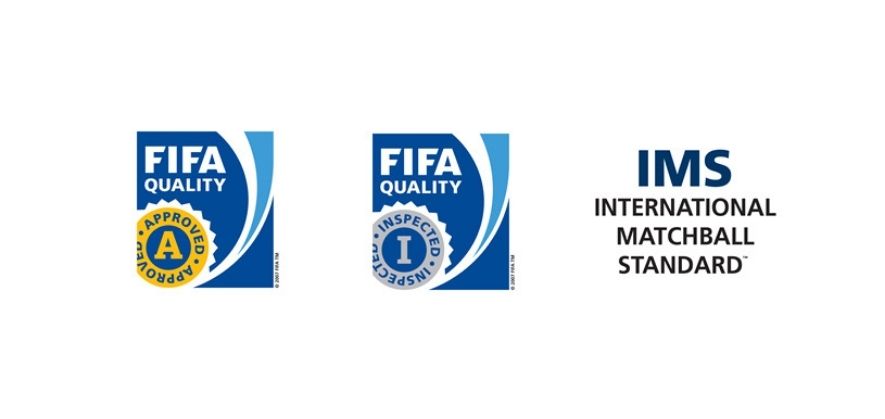
如果制造商申请获得“FIFA 检查”状态,则需要提供总共 7 个足球,而如果他们需要在足球上印上更受欢迎的“FIFA 批准”标志,则必须提交 10 个示例。(足球测试)
话又说回来,“全球匹配标准”能力的要求比前两者要低。.
当一个足球完成了国际足联的测试方法并顺利通过测试时,根据其在测试期间的表现,它会被授予一个价值标志。.
例如,带有“FIFA批准”标识的足球在测试过程中需要承受高达20%的气体压力,而“FIFA检查”的OK压力损失基本上与25%一样高。.
以下视频充分说明了国际足联质量计划的全部要点:
既然您已经了解了每个足球需要达到的目标,那么我们应该准确地了解它们在哪些执行方面进行了检查。(足球测试)
测试了足球的哪些组成部分
我的文章讨论了熟练球员使用什么足球,为读者提供了有关足球试穿区域的一些数据。.
然而,在这里,我将进行更深刻的跳跃。.
就这样,就到这里啦!
1. 周长
在基本测试中,最初的三个足球将在 24 小时的时间内成型,之后它们将膨胀到特定的张力水平。.
届时,评估员将在 10 个有特征的位置对每个球的宽度进行估计,并查看这些数字是否符合权威认可的原则。.
对于“FIFA 批准”基准,该尺寸应在 68.5 厘米至 69.5 厘米之间,而“FIFA 检查”则仅要求 5 号足球的周长在 68 至 70 厘米之间。.
为什么这个估计很重要,因为具有可预测外围的足球允许球员在进行接触和执行诸如溢出之类的动作时实现理想的控制。.
2. 球形度
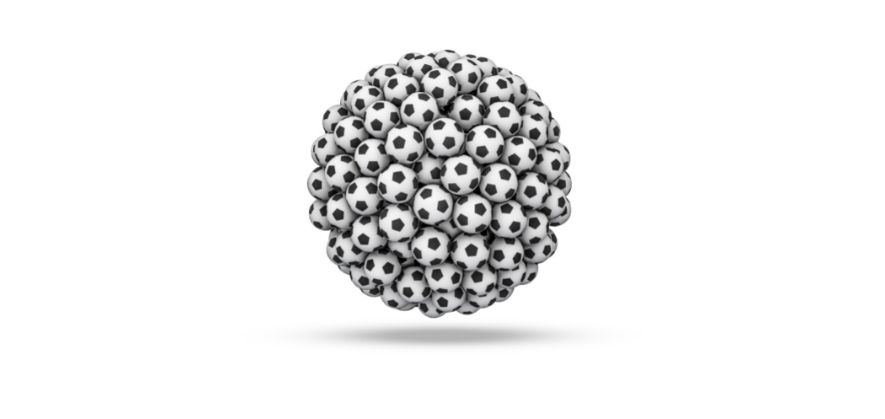
接下来我们有球形度。.
用不太困难的术语来说,我们在这里看到的是足球的持久圆度。.
我一遍遍地讨论了足球呈圆形的重要性,但提及其优点也无害。.
完全圆形的足球为球员提供了发挥自己能力的最佳舞台。.
由于足球是一种消遣,国际足联相信观察者应该对这项运动的卓越性感到高兴和好奇。.
That can occur assuming that soccer balls show a reasonable and unsurprising flight design when in the air.
It wouldn’t be a lovely sight to see a player endeavor to bend a soccer ball, just for it to move a couple inches as a result of having an inadequately adjusted figure!
Thus, at this stage the breadth of the soccer ball is estimated after it has been swelled to a tension degree of 1 bar.
The measurement of distance across then happens at the center of 16 boards, and ensuing to that a normal is determined.
Here, the contrast between the least and most elevated measurement figures should not surpass 1.5% for the “FIFA Approved” name, albeit a more prominent breathing space of 2% is given for the “FIFA Inspected” standard.
3. Rebound ability
Thirdly, we have the assessment which covers a soccer ball’s bounce back capacity.
Players must have the option to expect the bearing of a ball, particularly when it skips off of a grass or engineered turf surface.
It would be adverse to the game on the off chance that soccer balls bobbed in a flighty way, as members will wind up confounded and begin re-thinking their own developments on the pitch.
Thus, with this test, a soccer ball is dropped multiple times from a level of 2 meters onto a steel plate.
Utilizing a camcorder, the distance covered when the ball bounce back off of the surface can be recorded utilizing the bounce back level of the underside (lower side) of the ball as the reference point.
For quality principles, the contrast between the most elevated and least bob ought to be something like 10 centimeters separated.
All the more thus, the level, everything being equal, should settle somewhere in the range of 120 and 165 centimeters for a “FIFA Approved” standard, or somewhere in the range of 115 and 165 centimeters for a “FIFA Inspected” quality honor.
4. Water absorption
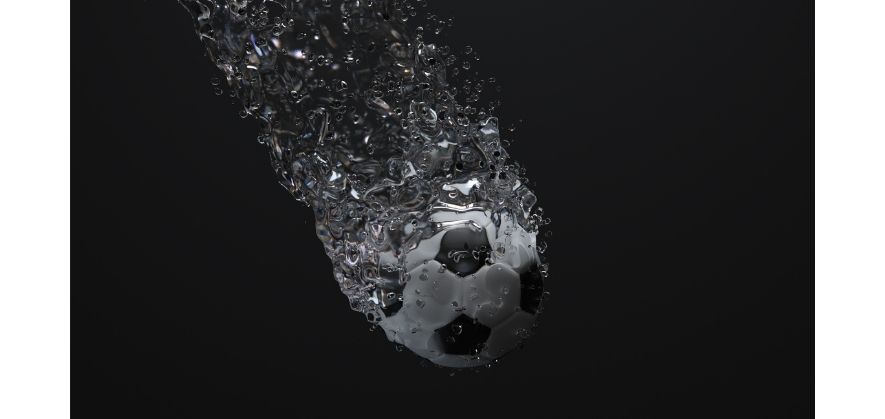
A soccer ball that is wet shows pretty unique way of behaving from one that has been kept in a dry state.
Assuming you’ve played soccer in the downpour previously, you might have noticed that wet soccer balls tend to:
travel through the air much more leisurely;
have a lower bounce back level while bobbing off of the ground
be more challenging to bend and hit with power
This is where the water retention test comes in, as it guarantees that soccer balls don’t get too weighty when they take up dampness.
Presently, this test is really a really clear one.
Here, a soccer ball is lowered in a water-filled vessel as it is squeezed and turned around various times.
When that assignment has been finished, the ball is then eliminated from the water prior to being cleaned down and yet again gauged.
The weight increment is communicated – in rate terms – by correlation with the first weight of the ball before it was suffocated in, in light of the fact that this is the way the analyzers show up at how much water was assimilated.
To meet the “FIFA Approved” standard, an expansion in weight of something like 10% is required, while the limit for “FIFA Inspected” sits at a 15% weight increment.
5. Weight

The greatness or softness of a soccer ball becomes significant when the part of reliable playing reaction comes to the front.
On the off chance that it is either excessively light or excessively weighty, you can anticipate that it should move with less consistency, particularly while it’s in flight.
In this way, as a component of the testing system here, the example balls are expanded and shown up a standard environment utilizing a breeze safeguarded electronic equilibrium, that keeps any mistakes from influencing the consequences of the information being gathered.
“FIFA Approved” loads rest somewhere in the range of 420 and 445 grams, while figures should be somewhere in the range of 410 and 450 grams for the “FIFA Inspected” mark.
6. Loss of pressure
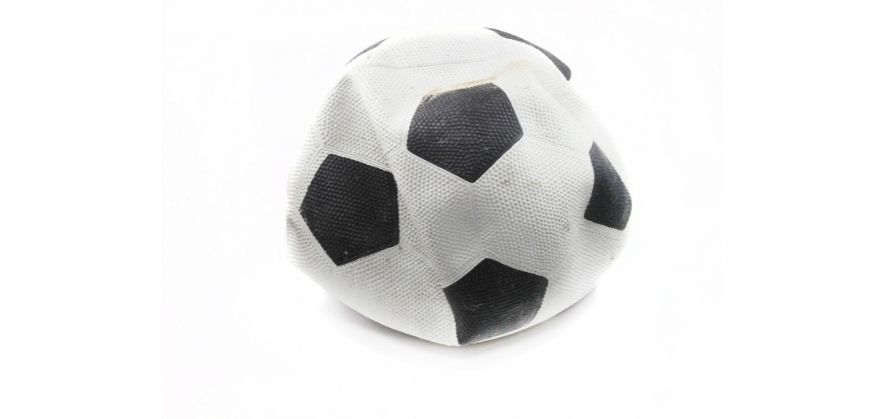
The 6th test is about soccer balls losing air.
A playing experience can be adversely impacted in the event that a soccer ball loses gaseous tension moderately rapidly, with components of the game becoming flighty and conflicting subsequently.
For example, it would be substantially more challenging for members to make long passes and profound crosses with a soccer ball that needs adequate air amount.
The ball is probably going to fizzle at arriving at its expected objective, halfway on the grounds that it in all likelihood won’t go through the air quickly enough or sufficiently high.
As a feature of this test, a soccer ball is swelled to a characterized pressure level and left to rest for 3 days.
After that period has passed, an overseer will take its pneumatic stress estimation to work out the level of air lost over the course of that time.
For a “FIFA Approved” standard, a limit of 20% misfortune in pressure is permitted, though the “FIFA Inspected” level considers a limit of 25%.
7. Shape and size retention
The last test is just completed on “FIFA Approved” soccer balls.
The reason behind this one is that a soccer ball ought to be in a similar execution state toward the finish of the game as it was in toward the start.
As the normal match includes roughly 2000 kicks of a soccer ball, a test is made to recreate such a climate to see if the ball being referred to can hold up to the afflictions of a cutthroat match.
When the soccer balls are expanded to a predefined pressure level, they are advanced rapidly by two pivoting chambers which turn the balls at a specific speed.
During this cycle, the soccer balls hit a steel outline ceaselessly at speed and points that are predictable.
After 2000 “hits” the chambers are halted from turning the balls and afterward any expansions in circuit or contrasts in generally sphericity are estimated.
To breeze through this assessment, soccer balls should likewise come out solid with valve openings that give no indications of harm and it is as yet unblemished to join that.
Furthermore, here are the exact metric qualifiers:
Expansion in boundary – limit of 1.5 centimeters permitted
Roundness deviation – limit of 1.5% permitted
应变变化 – 允许最大减少 0.1 bar
足球测试在哪里进行
为了完成这样一个要求很高的质量评估过程,应该让分析人员可以访问拥有最远的机械硬件的办公室。.
事实上,据说这种魔法就发生在 EMPA 材料与科学技术中心——这是一家位于瑞士圣加仑的瑞士政府材料测试和探索实验室。.
出于什么原因应该尝试足球
足球测试对于计划购买者来说是完美的,因为他们不需要因为购买足球而感到压力,因为这会给他们的存在周期带来重大问题。.
国际足联的尝试方法几乎保证了质量,因为您选择的球是经过严格的展览测试而正式认可的比赛用球。.
在国际足联设想他们的高质量计划之前,情况并非如此。.
不同的生产商生产的足球在质量上存在很大差异,并且在寻找方面存在很大的模糊性,因为购买者不知道他们是否需要在几天内退回最近购买的足球,或者它是否可以继续使用两三年。.
在这方面,由于足球测试,事情肯定变得更加简单。.
关闭沉思
我关于如何尝试足球的文章到此结束!
理想情况下,当您需要购买足球时,您将获得一些可以帮助您做出决策的数据片段和片段。.
此外,巧合的是,假设您确实需要该周期的帮助,我建议您查看我们关于最佳足球的完整购买指南,因为对于未经训练的人来说这是一个非凡的开始阶段 购买者。.


 English (United States)
 English (UK)
 English (Canada)
 English (Australia)
 Arabic
 German
 Spanish
 Persian
 French
 Italian
 Japanese
 Korean
 Portuguese
 Romanian
 Chinese
 Russian
 Turkish
 Dutch
 Indonesian
 Hindi
 Urdu
 Swahili