
في الواقع، تطلب اتحادات كرة القدم المتخصصة الأكثر جدية في العالم أن تكون قواعد المباراة عالية قدر الإمكان لضمان عدالة المنافسة. (اختبار كرة القدم)
إنه مثال استثنائي على التزام FIFA الخاص.
اتخذت الهيئة المشرفة على كرة القدم العالمية خطوات حاسمة نحو العمل على طبيعة اللعب من خلال تعزيز مجموعة من النماذج التي يتم استخدامها لتقييم جودة كرات كرة القدم في الهواء الطلق.
لقد بدأوا في عام 1996 من خلال تقديم برنامج FIFA لجودة كرات القدم - والذي بدأ بتنسيق ورفع طبيعة صناعة كرة القدم في جميع أنحاء العالم.
ومع ذلك، فإنهم لم يستقروا على الوضع الراهن حتى مع تقديم محرك الأقراص هذا.
قرر FIFA إضفاء الطابع الرسمي على اللوائح الصريحة التي تهدف إلى وضع أفضل المبادئ لكرات كرة القدم.
إليك البيان للرجوع إليه:(اختبار كرة القدم)
“جميع الكرات المستخدمة في المباريات التي يتم لعبها في منافسة رسمية منسقة تحت رعاية FIFA أو الاتحادات القارية يجب أن تلبي المتطلبات وتحمل إحدى خصائص برنامج FIFA لجودة كرات القدم.
تثبت كل بصمة أنها تمت تجربتها بشكل رسمي وتلبي المتطلبات المتخصصة الخاصة لتلك العلامة والتي تعد إضافية إلى التفاصيل الأساسية المحددة في القانون 2 ويجب أن يتم اعتمادها من قبل مجلس الاتحاد الدولي لكرة القدم (IFAB).”
المصدر – قانون اتحاد الكرة رقم 2
إذا كنت تفكر في علامات برنامج الجودة FIFA، فسأتوقف الآن في لحظة موجزة لفهمها.
- ما هي خصائص جودة كرة القدم
- ما هي مكونات كرة القدم التي تمت تجربتها
- حلبة
- كروية
- ترتد القدرة على العودة
- احتباس الماء
- وزن
- فقدان التوتر
- صيانة الشكل والحجم
- أين يتم إجراء اختبار كرة القدم
- لأي سبب يجب تجربة كرات كرة القدم؟
- اعتبارات الإغلاق
ما هي أوامر الجودة لكرة القدم
هناك ثلاث علامات مرجعية تُمنح لكرات كرة القدم تحدد كيفية اجتياز معايير الاختبار الشاملة التي ابتكرها FIFA لتقييم الجودة.
لديك التراخيص المصاحبة:
معتمد من FIFA للجودة؛;
فحص جودة FIFA؛ و
معيار المطابقة العالمية
يمكنك إدراك كيفية قيام كل تعريف بالبحث بدقة في الصورة أدناه:
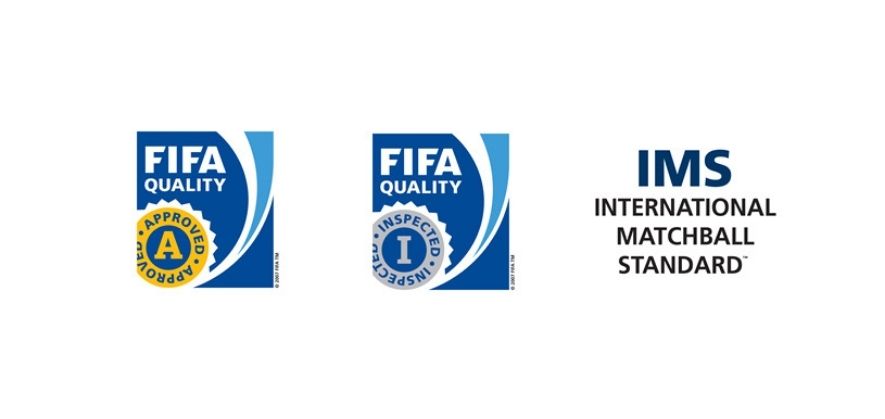
من المتوقع أن يقدم المصنعون ما مجموعه 7 كرات قدم في حالة التقدم بطلب للحصول على حالة “فحص الفيفا”، في حين يتعين عليهم تقديم 10 أمثلة على افتراض أنهم بحاجة إلى الشعار “الموافق عليه من الفيفا” الأكثر طلبًا والمطبوع على كرات كرة القدم الخاصة بهم. (اختبار كرة القدم)
ثم مرة أخرى، تعد قدرة “Global Match Standard” أقل طلبًا من الوظيفتين السابقتين.
عندما تنتهي كرة القدم من عملية اختبار FIFA وتجتاز الاختبارات بنجاح، يتم منحها علامة القيمة في ضوء مدى جودة أدائها خلال وقت الاختبار.
على سبيل المثال، كرة القدم التي تحمل علامة “معتمد من الفيفا” عليها يجب أن تواجه خسارة في التوتر الغازي تصل إلى 20% أثناء نظام الاختبار، على الرغم من أن خسارة الضغط “موافق عليه من الفيفا” تصل في الأساس إلى 25%.
إليكم مقطع فيديو يشرح النقطة بأكملها مجانًا من برنامج الجودة الخاص بـ FIFA:
الآن بعد أن أصبحت على دراية بالأهداف التي يجب أن تحققها كل كرة قدم، يجب أن ننظر بالضبط إلى مجالات الأداء التي يتم اختبارها عليها. (اختبار كرة القدم)
ما هي مكونات كرة القدم التي تمت تجربتها
قدمت مقالتي التي ناقشت ما يستخدمه اللاعبون المحترفون في كرات القدم للقراء لمسة من المعلومات حول مناطق العرض التي يتم تجربة كرات كرة القدم عليها.
ومع ذلك، سأقوم هنا بقفزة أكثر عمقًا.
بهذه الطريقة، هنا يذهب!
1. محيط
في الاختبار الأساسي، سيتم تشكيل كرات كرة القدم الثلاث الأولية لمدة 24 ساعة، وبعد ذلك سيتم تضخمها إلى مستوى توتر معين.
بحلول ذلك الوقت، سيأخذ المقيم تقديرات لعرض كل كرة في 10 أماكن محددة ويرى ما إذا كانت الأرقام تتوافق مع المبادئ المعترف بها رسميًا.
بالنسبة لمقياس “الموافقة من الفيفا”، يجب أن يتراوح هذا بين 68.5 سم و69.5 سم، في حين أن “الفحص من قبل الفيفا” يتطلب فقط دائرة يتراوح حجمها بين 68 و70 سم لكرة القدم بحجم 5.
يرجع سبب أهمية هذا التقدير إلى الطريقة التي تسمح بها كرة القدم ذات المحيط المتوقع للاعبين بتحقيق التحكم المثالي أثناء إجراء الاتصالات وأداء الحركات مثل سكب السوائل.
2. الكروية
التالي لدينا كروية.
بعبارات أقل صعوبة، ما نراه هنا هو الاستدارة الطويلة الأمد لكرة القدم.
لقد ناقشت مرة أخرى مرارًا وتكرارًا أهمية أن تكون كرات القدم دائرية الشكل، ولكن لا يضر الإشارة إلى المزايا.
تمنح كرة القدم المستديرة بالكامل اللاعب أفضل مستوى للعب على مستوى قدراته.
وبما أن كرة القدم هي نوع من أنواع الترفيه، فإن الفيفا يعتقد أن المراقبين يجب أن يستمتعوا ويتساءلوا عن جودة اللعبة.
يمكن أن يحدث ذلك بافتراض أن كرات القدم تظهر تصميم طيران معقول وغير مفاجئ عندما تكون في الهواء.
لن يكون مشهدًا جميلًا أن ترى لاعبًا يحاول ثني كرة قدم، فقط لتحريكها بضع بوصات نتيجة لوجود شكل غير مضبوط بشكل كافٍ!
Thus, at this stage the breadth of the soccer ball is estimated after it has been swelled to a tension degree of 1 bar.
The measurement of distance across then happens at the center of 16 boards, and ensuing to that a normal is determined.
Here, the contrast between the least and most elevated measurement figures should not surpass 1.5% for the “FIFA Approved” name, albeit a more prominent breathing space of 2% is given for the “FIFA Inspected” standard.
3. Rebound ability
Thirdly, we have the assessment which covers a soccer ball’s bounce back capacity.
Players must have the option to expect the bearing of a ball, particularly when it skips off of a grass or engineered turf surface.
It would be adverse to the game on the off chance that soccer balls bobbed in a flighty way, as members will wind up confounded and begin re-thinking their own developments on the pitch.
Thus, with this test, a soccer ball is dropped multiple times from a level of 2 meters onto a steel plate.
Utilizing a camcorder, the distance covered when the ball bounce back off of the surface can be recorded utilizing the bounce back level of the underside (lower side) of the ball as the reference point.
For quality principles, the contrast between the most elevated and least bob ought to be something like 10 centimeters separated.
All the more thus, the level, everything being equal, should settle somewhere in the range of 120 and 165 centimeters for a “FIFA Approved” standard, or somewhere in the range of 115 and 165 centimeters for a “FIFA Inspected” quality honor.
4. Water absorption
A soccer ball that is wet shows pretty unique way of behaving from one that has been kept in a dry state.
Assuming you’ve played soccer in the downpour previously, you might have noticed that wet soccer balls tend to:
travel through the air much more leisurely;
have a lower bounce back level while bobbing off of the ground
be more challenging to bend and hit with power
This is where the water retention test comes in, as it guarantees that soccer balls don’t get too weighty when they take up dampness.
Presently, this test is really a really clear one.
Here, a soccer ball is lowered in a water-filled vessel as it is squeezed and turned around various times.
When that assignment has been finished, the ball is then eliminated from the water prior to being cleaned down and yet again gauged.
The weight increment is communicated – in rate terms – by correlation with the first weight of the ball before it was suffocated in, in light of the fact that this is the way the analyzers show up at how much water was assimilated.
To meet the “FIFA Approved” standard, an expansion in weight of something like 10% is required, while the limit for “FIFA Inspected” sits at a 15% weight increment.
5. Weight

The greatness or softness of a soccer ball becomes significant when the part of reliable playing reaction comes to the front.
On the off chance that it is either excessively light or excessively weighty, you can anticipate that it should move with less consistency, particularly while it’s in flight.
In this way, as a component of the testing system here, the example balls are expanded and shown up a standard environment utilizing a breeze safeguarded electronic equilibrium, that keeps any mistakes from influencing the consequences of the information being gathered.
“FIFA Approved” loads rest somewhere in the range of 420 and 445 grams, while figures should be somewhere in the range of 410 and 450 grams for the “FIFA Inspected” mark.
6. Loss of pressure
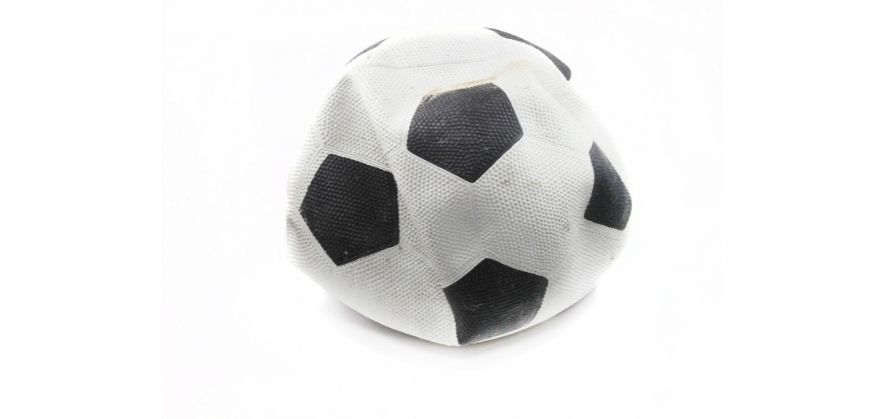
The 6th test is about soccer balls losing air.
A playing experience can be adversely impacted in the event that a soccer ball loses gaseous tension moderately rapidly, with components of the game becoming flighty and conflicting subsequently.
For example, it would be substantially more challenging for members to make long passes and profound crosses with a soccer ball that needs adequate air amount.
The ball is probably going to fizzle at arriving at its expected objective, halfway on the grounds that it in all likelihood won’t go through the air quickly enough or sufficiently high.
As a feature of this test, a soccer ball is swelled to a characterized pressure level and left to rest for 3 days.
After that period has passed, an overseer will take its pneumatic stress estimation to work out the level of air lost over the course of that time.
For a “FIFA Approved” standard, a limit of 20% misfortune in pressure is permitted, though the “FIFA Inspected” level considers a limit of 25%.
7. Shape and size retention
The last test is just completed on “FIFA Approved” soccer balls.
The reason behind this one is that a soccer ball ought to be in a similar execution state toward the finish of the game as it was in toward the start.
As the normal match includes roughly 2000 kicks of a soccer ball, a test is made to recreate such a climate to see if the ball being referred to can hold up to the afflictions of a cutthroat match.
When the soccer balls are expanded to a predefined pressure level, they are advanced rapidly by two pivoting chambers which turn the balls at a specific speed.
During this cycle, the soccer balls hit a steel outline ceaselessly at speed and points that are predictable.
After 2000 “hits” the chambers are halted from turning the balls and afterward any expansions in circuit or contrasts in generally sphericity are estimated.
To breeze through this assessment, soccer balls should likewise come out solid with valve openings that give no indications of harm and it is as yet unblemished to join that.
Furthermore, here are the exact metric qualifiers:
Expansion in boundary – limit of 1.5 centimeters permitted
Roundness deviation – limit of 1.5% permitted
Change of strain – greatest reduction of 0.1 bar permitted
Where is the soccer ball testing conducted?
To go through such a requesting quality assessment process, offices with the furthest down the line mechanical hardware should be made accessible for analyzers.
Indeed, the wizardry is said to occur at EMPA Materials and Science Technology – which is a Swiss government lab for materials testing and exploration that is situated in St. Gallen, Switzerland.
لأي سبب يجب تجربة كرات كرة القدم؟
Soccer ball testing is perfect for planned purchasers since they don’t need to stress over buying a ball that would give them significant issues further down the existence cycle.
FIFA’s trying methods nearly ensure quality since you are choosing a ball that has formally been endorsed for play because of the intensive exhibition testing it has gone through.
This wasn’t true before FIFA imagined their quality program.
Various producers made soccer balls that differed enormously in quality from each other, and there was a great deal of vagueness on the lookout, as purchasers didn’t know whether they would need to return a recently bought ball in a couple of days or whether it would keep going for two or three years.
In this regard, things have surely been made more straightforward because of soccer ball testing.
Shutting contemplations
That finishes my article on how soccer balls are tried!
Ideally you will have gotten pieces and snippets of data that can illuminate your own decision making when you need to purchase a soccer ball.
Furthermore, coincidentally, assuming you really want assistance with that cycle, I’d propose you look at our total purchasing guide on the best soccer balls, as it’s an extraordinary beginning stage for unpracticed purchasers.


 English (United States)
 English (UK)
 English (Canada)
 English (Australia)
 Arabic
 German
 Spanish
 Persian
 French
 Italian
 Japanese
 Korean
 Portuguese
 Romanian
 Chinese
 Russian
 Turkish
 Dutch
 Indonesian
 Hindi
 Urdu
 Swahili