Cotton Fleece Manufacturer Exporter from Sialkot Pakistan
Bahlol International is a leading cotton fleece manufacturer and exporter from Sialkot, Pakistan. We specialize in manufacturing and exporting high-quality cotton fleece products for various clothing and accessories. Our goal is to provide our customers with the best products at competitive prices and to maintain a high level of customer satisfaction.
What is Cotton Fleece?
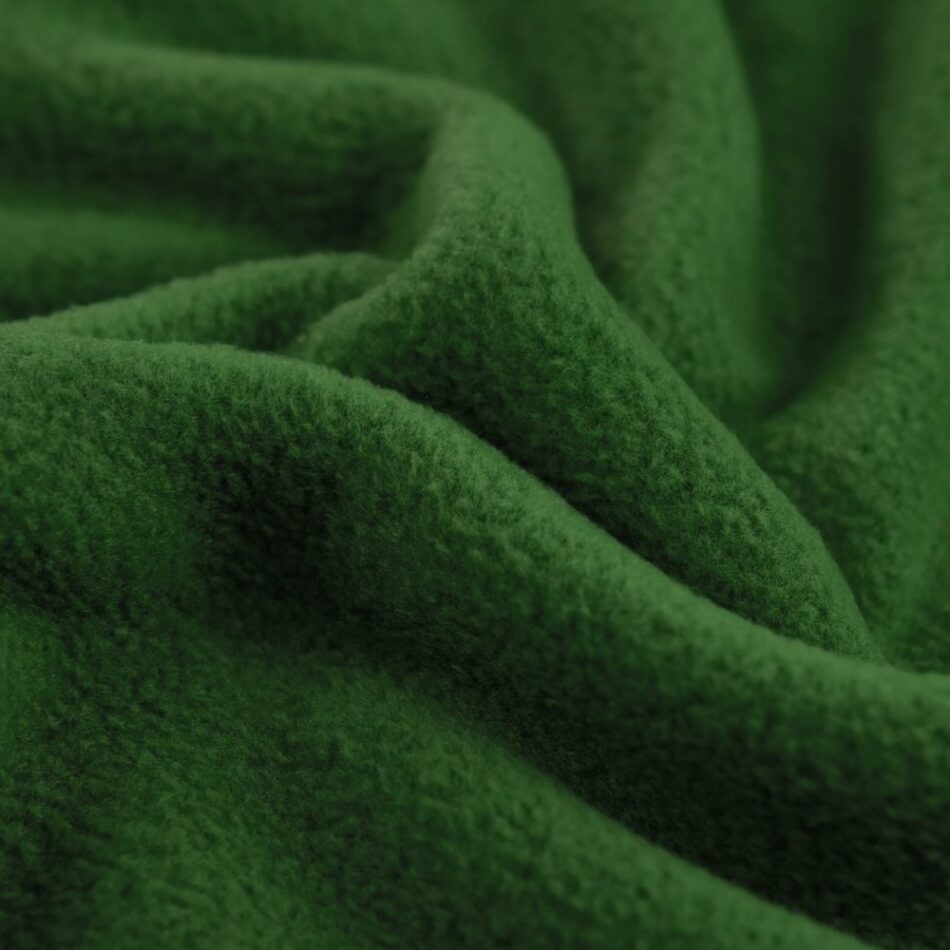
Cotton fleece is a type of fabric that is made from cotton fibers that have been brushed to create a soft and fuzzy surface. This creates a warm and cozy fabric that is perfect for cold weather clothing and accessories. Cotton fleece is also breathable and moisture-wicking, making it a great choice for athletic wear and outdoor clothing.
Our Cotton Fleece Products
At Bahlol International, we offer a wide range of cotton fleece products in different styles, colors, and finishes. Some of the popular cotton fleece products we manufacture and export include:
- Cotton Fleece Hoodies
- Cotton Fleece Sweatshirts
- Cotton Fleece Jackets
- Cotton Fleece Pants
- Cotton Fleece Blankets
Why Choose Bahlol International?
At Bahlol International, we are committed to providing our customers with the best quality cotton fleece products at competitive prices. Our manufacturing process is designed to ensure that every product we make is of the highest quality, and we take great pride in our attention to detail and customer service. We also offer fast and reliable shipping to our customers all over the world.
Types of Cotton Fabrics
Our collection includes the following types of cotton fabrics:
100% Cotton
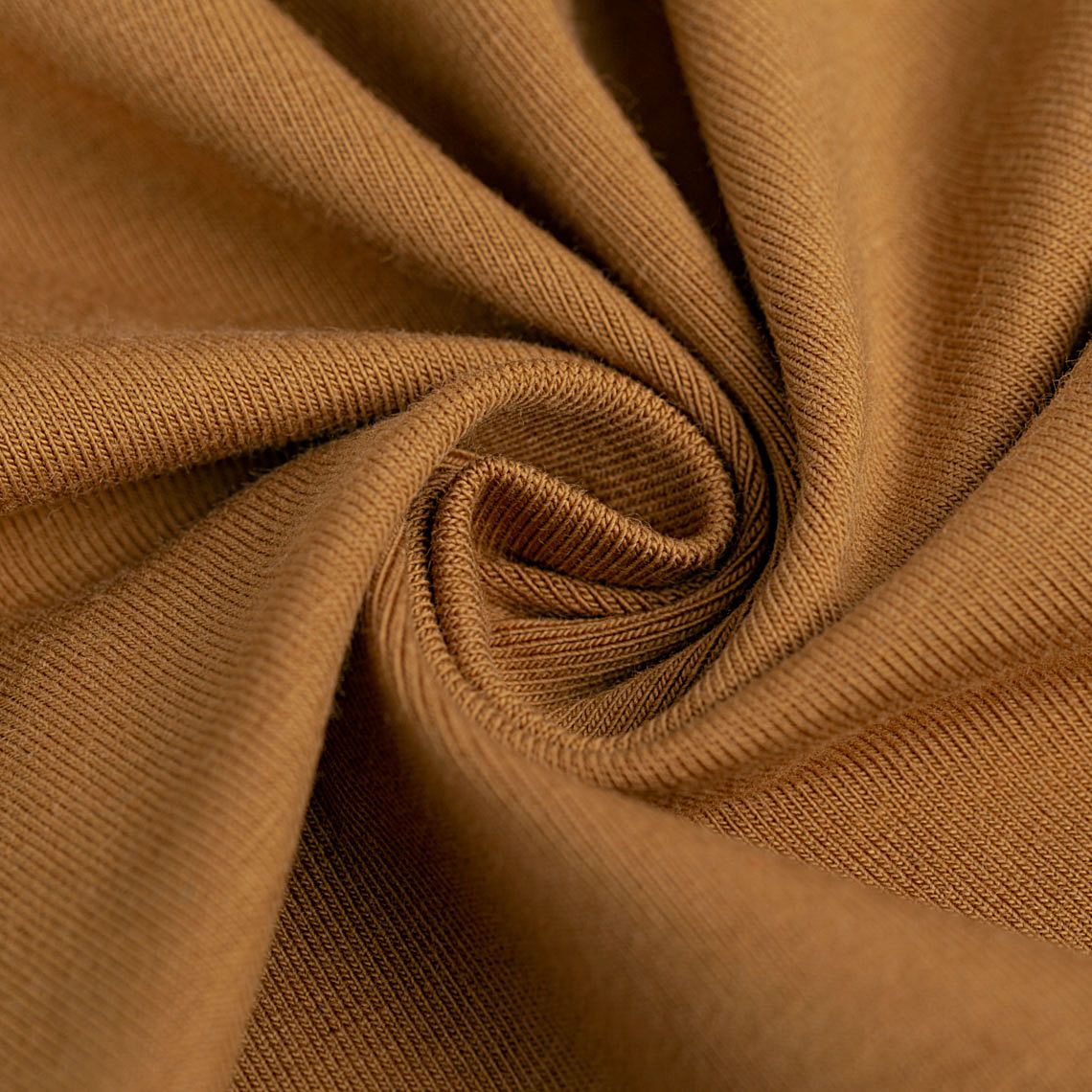
This fabric is made of 100% pure cotton and is soft, breathable, and comfortable to wear. It is ideal for making garments like t-shirts, shirts, and dresses.
Cotton Blend
This fabric is made of a blend of cotton and other synthetic fibers. It is durable, easy to care for, and wrinkle-resistant, making it suitable for use in a variety of applications.
Organic Cotton
This fabric is made from organic cotton that is grown without the use of harmful chemicals or pesticides. It is ideal for people who prefer eco-friendly products.
Fabric Manufacturing Process
We use the latest technology and equipment in our manufacturing process to ensure that our fabrics are of the highest quality. Our process includes the following steps:
Note: Many of our fabrics are being out source
Spinning:
The fabric is spun into yarn using spinning machines.
Weaving:
The yarn is woven into fabric using weaving machines.
Dyeing:
The fabric is dyed using a variety of techniques and colorfast dyes.
Finishing:
The fabric is finished to give it a soft, smooth feel and to improve its durability.
The process of manufacturing fabrics begins with the production of cotton, which is a long chain of synthetic fibers. The cotton is then melted and extruded through small holes, known as spinnerets, to create continuous filaments of fibers. These fibers are then wound onto large spools and dried to remove any residual moisture. The dried fibers are then twisted into yarn and woven or knitted into fabric, which is then finished and cut to the desired size and shape.
Most Papular Fabrics
For more texture threads style….
Why Choose Us
We are a reliable and trustworthy partner for all your fabric needs. Our commitment to quality and customer satisfaction sets us apart from our competitors. Some of the reasons why you should choose us include:
- Wide range of high-quality fabrics
- State-of-the-art manufacturing facilities
- Experienced and skilled team of professionals
- On-time delivery and competitive pricing
Clients Feedback


Our Recent Clients


 English (United States)
 English (UK)
 English (Canada)
 English (Australia)
 Arabic
 German
 Spanish
 Persian
 French
 Italian
 Japanese
 Korean
 Portuguese
 Romanian
 Chinese
 Russian
 Turkish
 Dutch
Dutch Indonesian
 Hindi
Hindi Urdu
Urdu Swahili